
Les cépages sont les variétés de raisins utilisées dans la confection du vin.
Les cépages sont des points de repère qui permettent de se faire à l’avance une idée du goût et du caractère du vin.
- Le cépage est un des facteurs qui déterminent le goût du vin.
- Il y a également le sol, le climat et les méthodes de vinification.
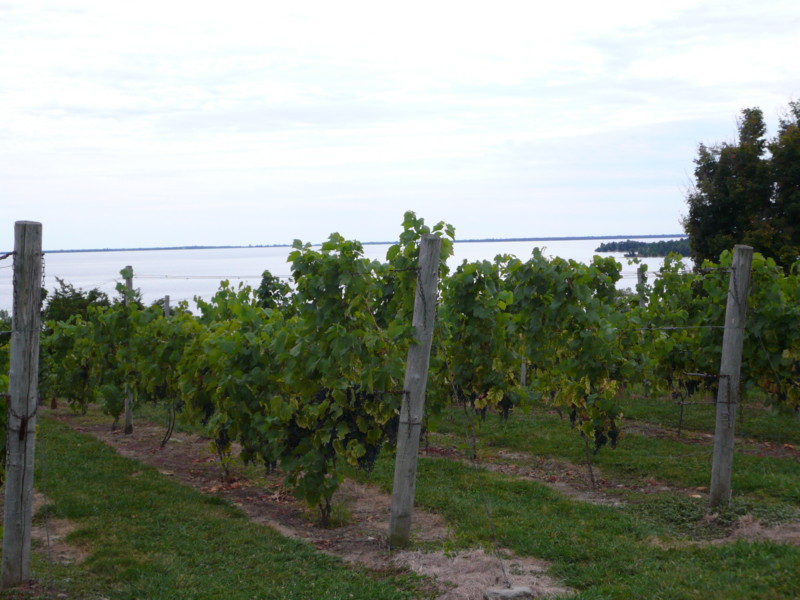
Dans les pays européens, les « Appellations » correspondent normalement à un encépagement (choix de cépages) précis correspondant aux cépages traditionnels de la région :
- Cabernet-Sauvignon et Cabernet-Franc à Bordeaux.
- Pinot noir en Bourgogne.
- Sangiovese en Toscane.
Dans les nouveaux pays producteurs, on reprend ces mêmes cépages pour reproduire ailleurs dans le monde des archétypes de vin :
- Le Penfolds Grange Hermitage australien produit à partir de la Syrah, cépage de la vallée du Rhône.
Ainsi, autant le type de cépage que le lieu de production nous renseignent sur les caractéristiques et les particularités dont on peut s’attendre d’un vin.
À l’inverse, connaître les caractéristiques visuelles, aromatiques et gustatives des différents cépages, ainsi que leurs expressions spécifiques dans différents terroirs, est le moyen utilisé par les sommeliers pour identifier des vins dans des dégustations à l’aveugle.
Enfin, de nombreux vins sont issus d’un assemblage de différents cépages. Ceci permet de combiner les qualités de ces cépages tout en palliant leurs faiblesses :
- Un premier cépage pourra ainsi apporter une gradation alcoolique élevée et des arômes puissants, un deuxième apportera la charpente et la structure tannique alors qu’un troisième viendra compléter le niveau d’acidité.
- Donc, deux éléments à retenir et à identifier :
1. Reconnaître le cépage comme tel;
2. Reconnaître l’influence des lieux d’origines et des différentes Appellations sur le cépage.
Les différents cépages